
The annual World Economic Forum in Davos became a battleground for AI industry leaders this week. Top executives from OpenAI, Google DeepMind, and Anthropic engaged in unprecedented public criticism of each other’s approaches to artificial intelligence development.
The tension among these frontier AI laboratories reached new heights during various panel discussions and interviews. What typically remains behind closed doors spilled into public view as competition intensifies in the rapidly evolving AI landscape.
OpenAI Faces Scrutiny Over Safety Practices
OpenAI’s leadership found itself defending the company’s rapid deployment strategy. Critics questioned whether the ChatGPT maker prioritizes market dominance over responsible AI development practices.
Several competitors pointed to OpenAI’s recent safety team departures as evidence of problematic internal priorities. The company’s push to release increasingly powerful models drew sharp criticism from rival executives.
Google DeepMind Emphasizes Research-First Approach
Google DeepMind representatives positioned their organization as the responsible alternative to OpenAI’s aggressive timeline. They highlighted their measured approach to releasing AI capabilities to the public.
DeepMind executives stressed their commitment to extensive testing before product launches. This stance appeared designed to contrast with OpenAI’s more experimental public deployment strategy.
Anthropic Champions Constitutional AI Methods
Anthropic’s leadership used Davos as a platform to promote their Constitutional AI approach. They argued this methodology provides superior safety guarantees compared to competitors’ training techniques.
The company’s executives suggested other labs lack adequate safeguards in their development processes. This criticism targeted both OpenAI’s rapid iteration and Google’s traditional machine learning approaches.
Competition Intensifies Amid Regulatory Pressure
The public feuding reflects mounting pressure from regulators worldwide demanding AI accountability. Each company appears eager to position itself as the responsible industry leader.
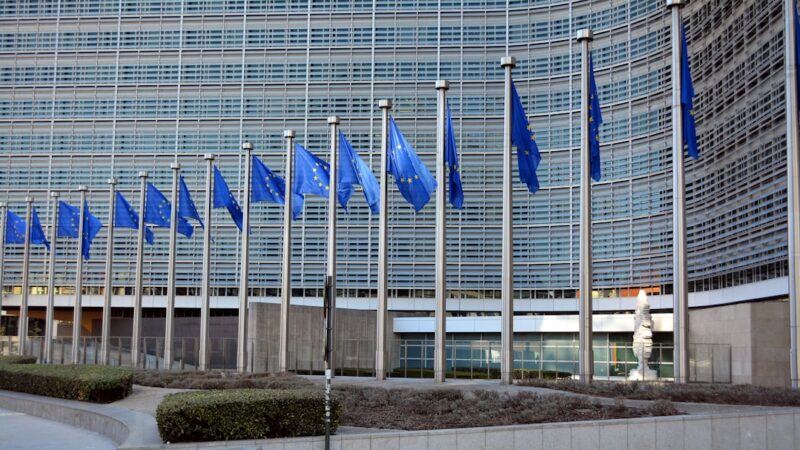
European Union officials attending Davos expressed concern about the competitive dynamics potentially compromising safety standards. Their comments added urgency to the labs’ public positioning efforts.
Industry Observers Note Unprecedented Hostility
Veteran technology analysts described the public disputes as unusual for typically diplomatic industry conferences. The gloves-off approach suggests deeper strategic tensions between the competing organizations.
Some observers worry that public feuding could damage the entire AI industry’s reputation. The spectacle of leading researchers attacking each other’s work may fuel public skepticism about AI safety claims.
Market Implications of Public Disputes
The Davos confrontations signal a new phase in AI industry competition beyond technical capabilities. Reputation and perceived responsibility now play crucial roles in attracting talent, funding, and partnerships.
Each laboratory seeks to differentiate itself through safety messaging while maintaining innovation leadership. This balancing act becomes increasingly difficult as public scrutiny intensifies and regulatory frameworks develop globally.