

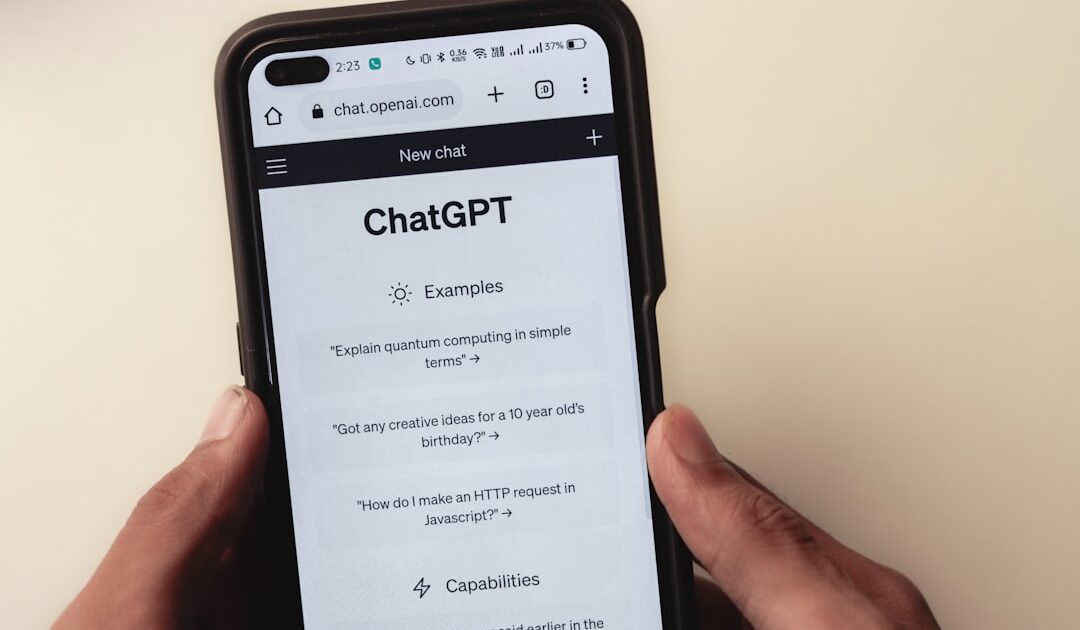
More than 230 million people turn to ChatGPT every week for health and wellness guidance, according to OpenAI’s latest statistics. The artificial intelligence company markets its chatbot as a trusted “ally” that can help users navigate complex insurance systems and medical paperwork.
This massive adoption of AI for healthcare advice represents a concerning trend in how people seek medical information. Users willingly share sensitive health data with systems that lack proper medical training or regulatory oversight.
Privacy Risks of Medical Data Sharing
ChatGPT stores and processes every conversation users have with the system, including detailed health information. This data becomes part of OpenAI’s training datasets, potentially exposing sensitive medical details to future AI models.
Healthcare information shared with chatbots lacks the same privacy protections as traditional medical records. Unlike hospitals and doctors bound by HIPAA regulations, AI companies operate under different privacy frameworks.
Accuracy Problems in AI Medical Advice
ChatGPT frequently generates confident-sounding medical responses that contain factual errors or outdated information. The AI system cannot verify symptoms, perform physical examinations, or access comprehensive medical histories.
Medical professionals warn that AI chatbots often oversimplify complex health conditions and miss critical warning signs. These systems lack the nuanced understanding required for proper medical assessment and diagnosis.
Insurance Navigation Concerns
OpenAI promotes ChatGPT as helpful for understanding insurance policies and filing medical claims. However, insurance rules vary significantly between providers and frequently change without notice.
Relying on AI for insurance guidance can lead to claim denials or coverage gaps. The chatbot cannot access real-time policy information or provide personalized advice based on specific insurance plans.
Self-Advocacy Without Professional Support
The company encourages users to become better healthcare self-advocates through AI assistance. This approach may delay necessary professional medical consultations and proper treatment.
Patients armed with AI-generated medical information sometimes challenge healthcare providers inappropriately. This can strain doctor-patient relationships and interfere with evidence-based treatment plans.
Regulatory Gap in AI Healthcare Tools
Current regulations do not adequately address AI systems providing medical advice to consumers. The Food and Drug Administration has limited oversight over general-purpose chatbots offering health information.
Medical licensing boards cannot regulate AI systems the same way they oversee human healthcare providers. This creates a dangerous gap in accountability for AI-generated medical advice.
Better Alternatives for Health Information
Established medical websites and telehealth platforms offer more reliable health information than general AI chatbots. These services typically employ licensed healthcare professionals and follow medical guidelines.
Patients seeking health information should prioritize sources with proper medical credentials and regulatory oversight. Professional medical consultations remain essential for accurate diagnosis and treatment recommendations.
The widespread use of ChatGPT for health advice highlights growing healthcare accessibility challenges. However, trading medical privacy and accuracy for convenience creates new risks that may harm patient outcomes and data security.