
South Korean President and Italian Prime Minister Giorgia Meloni have reached a significant agreement to strengthen bilateral cooperation in artificial intelligence and semiconductor technologies. The high-level diplomatic meeting underscores the growing importance of tech partnerships between nations seeking to advance their competitive positions in critical emerging technologies. This collaboration represents a strategic move by both countries to leverage their respective strengths in the global technology landscape.
The agreement comes at a crucial time when nations worldwide are recognizing the strategic importance of AI and chip technologies. Both South Korea and Italy see immense potential in combining their technological capabilities and expertise. The partnership aims to create new opportunities for innovation, research collaboration, and industrial development in these cutting-edge sectors.
Strategic Technology Partnership Framework
The cooperation framework encompasses multiple dimensions of technological collaboration between the two nations. South Korea brings its advanced semiconductor manufacturing capabilities and AI research infrastructure to the partnership. Italy contributes its strong industrial base, research institutions, and growing technology sector expertise.
Both leaders emphasized the mutual benefits of sharing knowledge, resources, and best practices in AI development. The partnership will facilitate joint research projects, technology transfer initiatives, and collaborative innovation programs. This comprehensive approach ensures that both countries can accelerate their technological advancement through shared expertise and resources.
Semiconductor Industry Collaboration
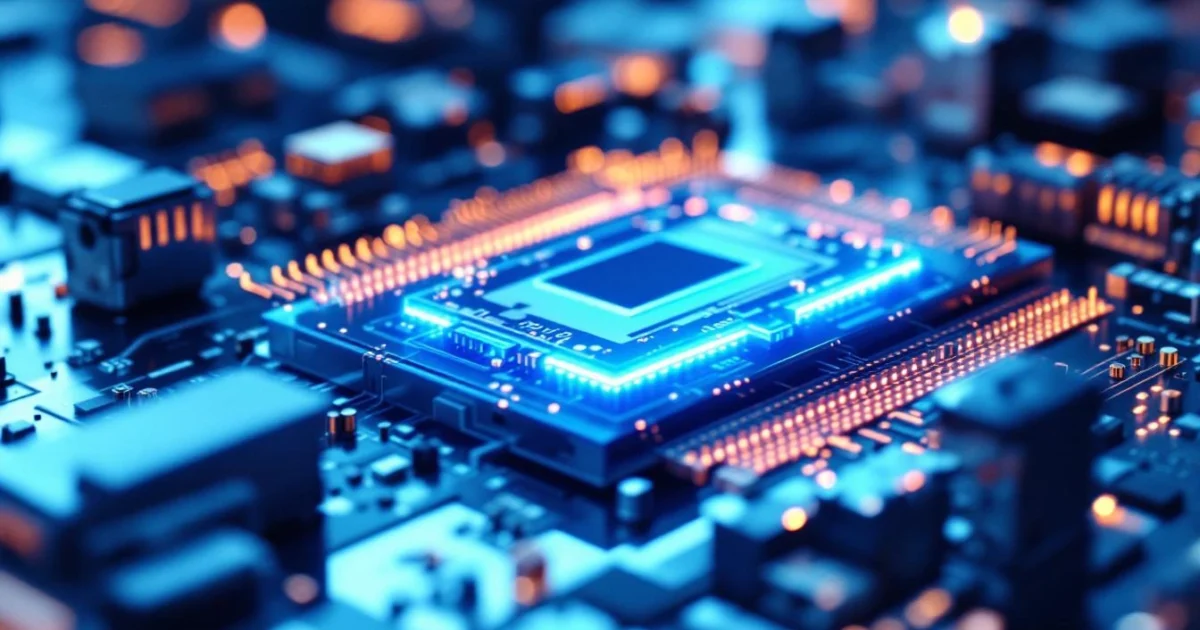
The semiconductor aspect of the agreement holds particular significance given the global chip shortage challenges. South Korea’s world-leading semiconductor companies possess cutting-edge manufacturing technologies and production capabilities. Italy’s growing interest in developing domestic chip production creates opportunities for knowledge transfer and joint ventures.
The collaboration will focus on establishing supply chain partnerships and technology sharing agreements. Both countries recognize the critical importance of semiconductor self-sufficiency and security. This partnership allows them to reduce dependence on external suppliers while building robust domestic capabilities.
Artificial Intelligence Development Initiatives
AI cooperation represents another cornerstone of the bilateral technology agreement between the two nations. South Korea’s advanced AI research capabilities complement Italy’s growing artificial intelligence sector development. The partnership will encompass research collaboration, talent exchange programs, and joint AI project development.
Both countries plan to establish joint AI research centers and innovation hubs. These facilities will serve as focal points for collaborative research and development activities. The initiative aims to accelerate AI adoption across various industries and government sectors in both nations.
Economic Impact And Investment Opportunities
The technology cooperation agreement opens new avenues for economic growth and investment between South Korea and Italy. Joint ventures in AI and semiconductor sectors could generate significant economic benefits for both countries. The partnership creates opportunities for companies to expand their market reach and access new technologies.
Investment flows between the two countries are expected to increase substantially following this agreement. South Korean technology companies may establish operations in Italy, while Italian firms gain access to advanced Korean technologies. This cross-border investment will strengthen economic ties and create employment opportunities in both nations.
Research And Development Synergies
Academic and research institution collaboration forms a vital component of the bilateral technology partnership. Universities and research centers from both countries will participate in joint research projects and exchange programs. This academic cooperation ensures long-term sustainability and continuous innovation in AI and semiconductor technologies.
The partnership includes provisions for researcher exchange programs and joint PhD programs in relevant technology fields. These initiatives will help build a skilled workforce capable of advancing both countries’ technological capabilities. Knowledge sharing through academic collaboration will accelerate innovation and technological breakthroughs.
Implementation Timeline And Future Prospects
Both governments have outlined specific implementation phases for the technology cooperation agreement. Initial projects will focus on establishing communication channels and identifying priority collaboration areas. Medium-term goals include launching joint research initiatives and setting up bilateral innovation centers.
The long-term vision encompasses comprehensive integration of AI and semiconductor capabilities between the two countries. Success in this partnership could serve as a model for other international technology cooperation agreements. Both nations view this collaboration as a stepping stone toward enhanced global competitiveness in critical technology sectors.