
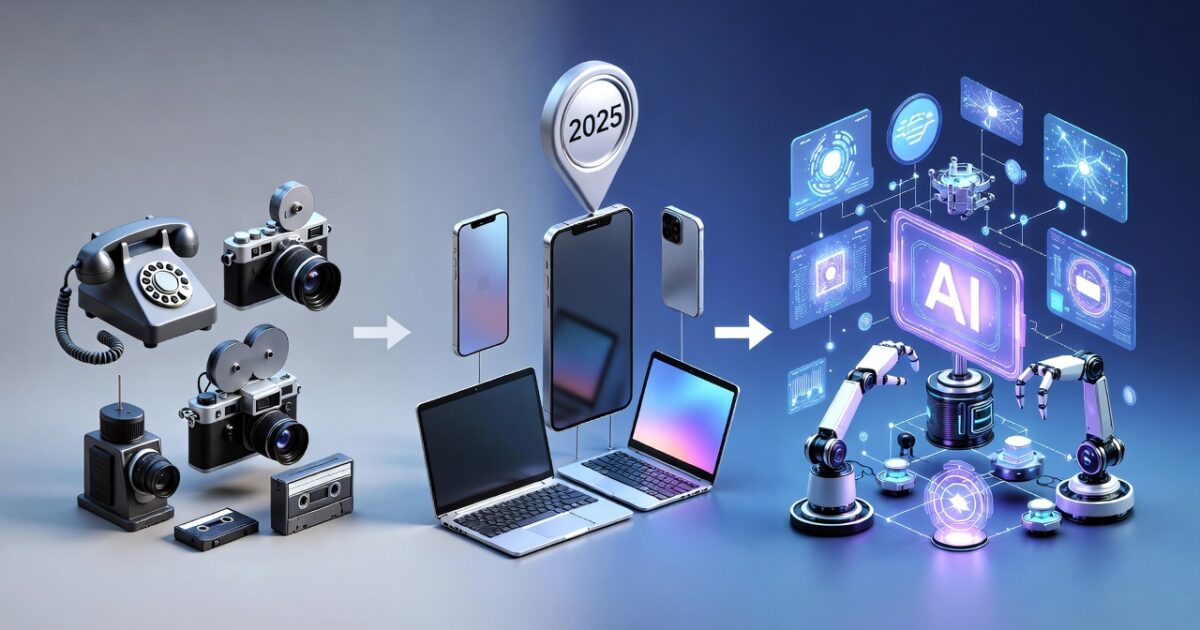
Deutsche Welle’s year-end analysis identifies 2025 as the pivotal moment when algorithmic systems transitioned from novelty to integral daily companion. The technology permeated ordinary life through applications ranging from conversational assistants to synthetic media creation.
This mainstreaming represents a fundamental shift in human-technology relationships. What began as specialized tools for early adopters evolved into ubiquitous utilities shaping how billions communicate, work, and create.
From Experimentation to Integration
The year marked a turning point as algorithmic tools moved beyond tech enthusiasts into mainstream adoption. According to DW’s comprehensive review, usage patterns shifted from occasional experimentation to routine dependence across demographics and geographies.
Chatbot interactions became normalized conversation partners. Students consulted them for homework assistance. Professionals relied on them for writing, coding, and analysis. Individuals sought advice on personal decisions, blurring lines between information tools and trusted advisors.
Deepfake technology simultaneously matured and proliferated. Creating synthetic media no longer required technical expertise as user-friendly applications democratized access. This accessibility brought creative opportunities alongside serious concerns about misinformation and identity manipulation.
Everyday Applications
Communication transformed as people integrated algorithmic assistance into messaging, email, and content creation. Auto-complete suggestions evolved into comprehensive drafting tools. What once took hours now required minutes as systems generated initial versions for human refinement.
Professional workflows incorporated automation extensively. Customer service departments deployed chatbots handling routine inquiries. Marketing teams generated campaign content at unprecedented speeds. Developers accelerated coding through intelligent assistants suggesting functions and debugging errors.
Creative industries experienced disruption and opportunity. Musicians experimented with composition tools. Visual artists incorporated generated elements into traditional workflows. Writers explored collaborative creation where algorithms proposed ideas and humans shaped final products.
Deepfake Challenges
Synthetic media capabilities raised authentication questions across contexts. Political campaigns grappled with manipulated video and audio recordings. News organizations developed verification protocols for submitted content. Social platforms struggled balancing free expression against fraudulent representation.
The technology’s dual nature became apparent. Film production benefited from realistic effects achievable on modest budgets. Educational content gained engaging visualizations. However, non-consensual deepfakes targeting individuals, particularly women, highlighted serious harms requiring legal and technical responses.
Detection technologies advanced but remained imperfect. As generation quality improved, distinguishing authentic from synthetic content grew more difficult. This cat-and-mouse dynamic between creation and detection defined much of 2025’s discourse around media authenticity.
Privacy and Data Concerns
Personalization required data, creating tension between utility and privacy. Systems delivering relevant suggestions needed understanding of user preferences, habits, and contexts. This knowledge accumulation raised questions about surveillance, consent, and appropriate boundaries.
Research from privacy advocates documented extensive data collection supporting algorithmic services. Many users accepted these practices implicitly through terms of service, often without understanding implications. Growing awareness prompted calls for stronger protections and transparent practices.
Regulatory responses varied globally. European frameworks emphasized user rights and data minimization. Asian markets balanced innovation promotion against control. American approaches remained fragmented across state jurisdictions, creating compliance complexity for providers.
Looking Toward 2026
DW’s analysis anticipates several emerging trends for the coming year. Multimodal systems combining text, image, audio, and video will expand capabilities beyond current single-format tools. Integration across devices and platforms will deepen as ecosystems mature.
Personalization will intensify through longer interaction histories and broader data access. Systems will anticipate needs before explicit requests, providing proactive assistance. This convenience comes with ongoing privacy and autonomy considerations requiring societal navigation.
Specialized applications will proliferate across professional domains. Healthcare diagnostics, legal research, financial analysis, and scientific discovery will see tailored implementations. Vertical integration within industries will complement general-purpose platforms.
Societal Adaptation
The rapid integration of algorithmic systems outpaced institutional adaptation. Schools debated appropriate usage policies. Workplaces revised productivity expectations. Legal frameworks struggled addressing novel harms and rights questions. This lag between technological and social change characterized much of 2025.
Cultural conversations shifted from whether to adopt these tools to how to use them responsibly. Digital literacy discussions expanded beyond basic computer skills to include algorithmic understanding. Critical evaluation of system outputs became recognized as essential modern competency.
Reflection and Forward Motion
2025’s transformation into a personal algorithmic era reflects both technological maturation and human adaptability. The tools became sufficiently capable and accessible to prove useful across contexts while people learned integrating them into existing practices.
The year established foundations for continued evolution. As systems improve and applications multiply, the patterns of use, governance challenges, and societal impacts will compound. DW’s year-end assessment captures a moment of transition whose full implications will unfold across coming years, making 2025 a reference point for understanding algorithmic integration into human life.