

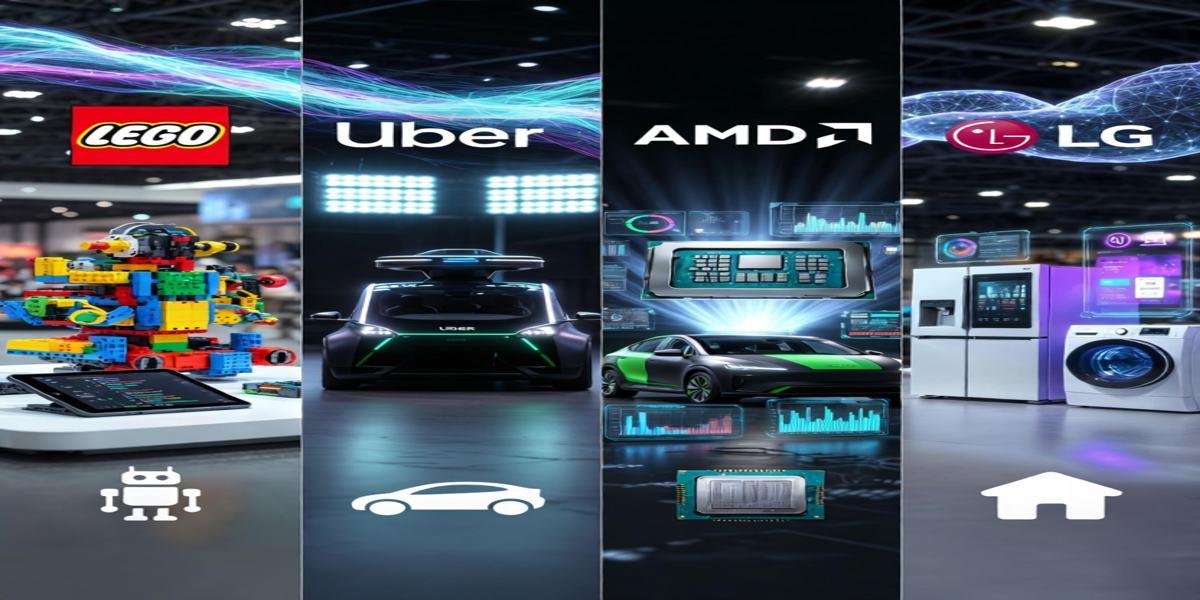
Major consumer brands including Lego, Uber, AMD, and LG captured attention at the Consumer Electronics Show with demonstrations of robotics, algorithmic assistants, and innovative devices. The diverse presentations illustrated how algorithmic capabilities penetrate industries beyond traditional technology sectors.
CES serves as annual showcase where companies reveal consumer technology directions. This year’s algorithmic integration across varied product categories signals the technology’s transition from specialized applications to mainstream consumer offerings.
Lego’s Robotic Play
Lego demonstrated educational robotics integrating algorithmic capabilities with traditional building blocks. According to official CES announcements, the company’s new sets teach coding concepts through physical construction combined with programmable behaviors.
Children assemble robots from Lego pieces then program movement patterns, sensor responses, and interactive behaviors through tablet interfaces. The approach makes abstract programming concepts tangible through familiar construction play patterns.
Algorithmic assistance helps young builders troubleshoot construction problems and suggests programming improvements. The system adapts difficulty based on user skill levels, providing appropriate challenges without overwhelming beginners or boring advanced users.
Uber’s Autonomous Vision
Uber showcased progress toward autonomous vehicle deployment in ride-sharing services. The presentation featured improved sensor systems, decision-making algorithms, and safety protocols developed through extensive testing programs.
Real-world demonstration videos showed vehicles handling complex urban scenarios including pedestrian interactions, construction zones, and adverse weather conditions. The company emphasized safety record improvements and regulatory compliance efforts.
Timeline projections suggest limited autonomous service launches in specific markets within coming years. However, widespread deployment faces regulatory hurdles, technical challenges, and public acceptance questions requiring continued development.
AMD’s Processing Power
AMD unveiled processors optimized for algorithmic workloads targeting both consumer and professional markets. The chips deliver performance improvements for applications including content creation, gaming, and productivity software incorporating algorithmic features.
According to AMD technical specifications, architectural improvements provide better efficiency alongside raw performance gains. Lower power consumption extends battery life in laptops while reducing cooling requirements in desktops.
Competition with Intel and Nvidia intensifies as algorithmic processing becomes differentiating factor. Companies investing heavily in specialized silicon gain advantages in markets where these capabilities matter increasingly to purchase decisions.
LG’s Smart Home Integration
LG presented comprehensive smart home ecosystem connecting appliances, entertainment systems, and environmental controls through unified algorithmic interface. Voice commands and automated routines coordinate devices without requiring manual interaction.
Refrigerators suggest recipes based on contents and dietary preferences. Washing machines select optimal cycles based on load composition. Air conditioners adjust settings anticipating occupancy patterns and weather conditions.
Privacy protections received emphasis given concerns about data collection in connected homes. LG outlined encryption, local processing options, and user controls addressing surveillance worries while maintaining convenience features.
Convergence Themes
These diverse presentations share common threads. Traditional companies integrate algorithmic capabilities into existing product lines rather than developing entirely new categories. Robotics, transportation, computing, and appliances all gain intelligence through software enhancements.
Consumer focus replaces technical specifications. Companies emphasize benefits and experiences rather than underlying technology details. This messaging shift reflects target audiences caring more about outcomes than implementation approaches.
Partnerships enable faster development. Few companies possess all required expertise internally. Collaborations between hardware manufacturers, software developers, and service providers accelerate bringing integrated solutions to market.
Market and Consumer Implications
CES demonstrations preview consumer technology trends influencing purchase decisions through coming year. Products showcased often reach retail within months as companies time announcements for maximum impact.
Competition intensifies as more players enter algorithmic-enhanced product spaces. Differentiation becomes harder when basic capabilities commoditize. Companies seek distinctive features or superior integration attracting customers. Price points remain challenging as advanced features increase costs while consumers expect reasonable pricing.
Actual adoption depends on demonstrating clear value propositions. Trade show demonstrations highlight capabilities under ideal conditions. Real-world performance, reliability, and support determine whether products meet expectations.
Privacy concerns could limit smart home adoption despite convenience benefits. Many consumers remain skeptical about connected devices collecting usage data. Transparent practices and strong security become selling points beyond features.
Looking Forward
CES presentations indicate algorithmic capabilities becoming standard expectations across consumer technology categories. Companies not incorporating these features risk appearing outdated as competitors advance.
How effectively firms execute beyond flashy demonstrations will determine which innovations succeed commercially versus remaining trade show curiosities. The coming months reveal which CES presentations translate into market success.