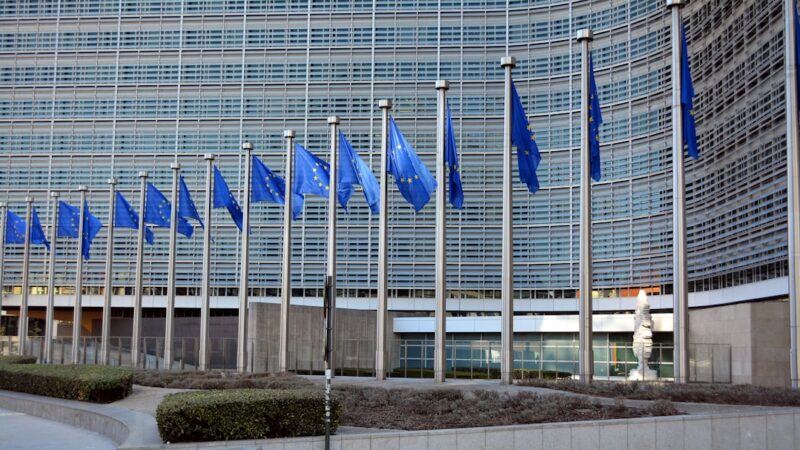

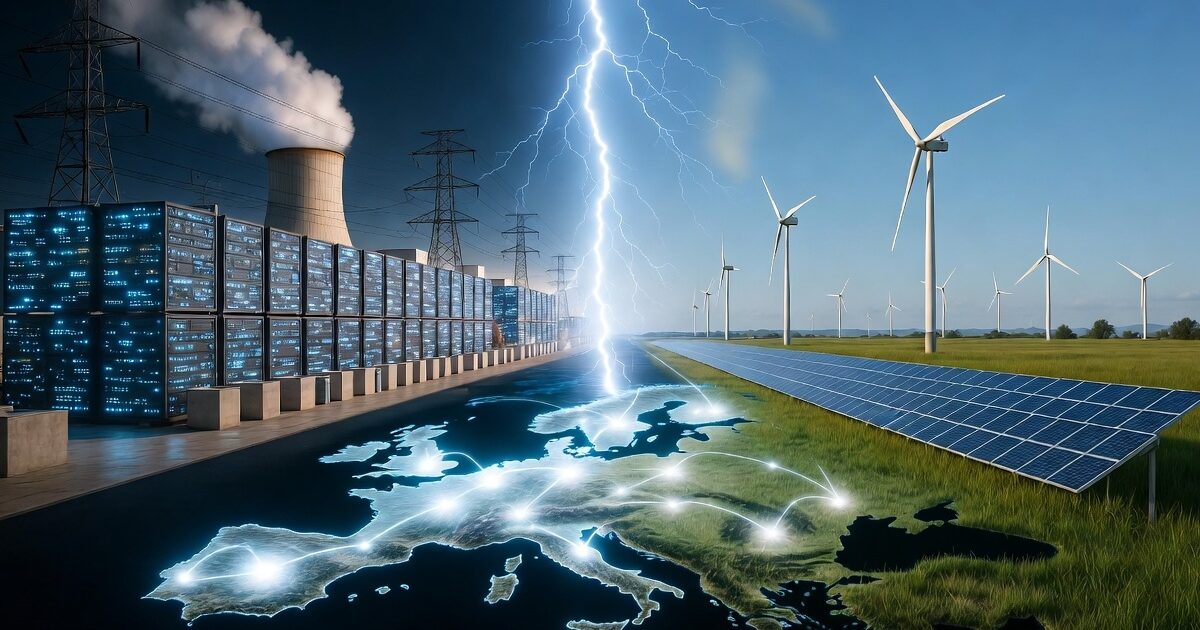
European governments confront a difficult trade-off as algorithmic technology competition demands massive energy infrastructure expansion that threatens established sustainability commitments. The tension between economic competitiveness and environmental responsibility defines a critical policy challenge.
Data centers powering advanced algorithmic systems consume electricity at unprecedented scales. Meeting this demand while maintaining carbon reduction targets requires difficult choices about energy sources, infrastructure investment, and development priorities.
Energy Requirements Escalate
Modern algorithmic systems require enormous computational resources translating into substantial power consumption. Training large language models can use electricity equivalent to hundreds of homes’ annual usage. Inference at scale across millions of users compounds these demands.
According to European Commission energy analysis, data center electricity consumption in Europe could triple by 2030 if current growth continues. This surge occurs as nations simultaneously pursue aggressive carbon neutrality targets, creating fundamental conflict between objectives.
Cooling systems represent another major energy sink. High-performance processors generate intense heat requiring constant temperature management. Traditional cooling approaches consume additional electricity, though newer techniques using natural cooling or waste heat recovery offer some efficiency gains.
Infrastructure Investment Race
European nations accelerate data center construction to compete with American and Asian facilities. Countries offer tax incentives, streamlined permitting, and infrastructure support attracting technology companies. Ireland, Netherlands, and Nordic countries particularly pursue this strategy.
However, rapid expansion strains electrical grids designed for different demand patterns. Data centers require reliable, constant power unlike residential or commercial loads with daily fluctuation. Grid upgrades need years of planning and construction, creating immediate capacity constraints.
Renewable energy integration adds complexity. Solar and wind generation varies with weather conditions while data centers need uninterrupted supply. Battery storage helps but remains expensive at required scales. Some facilities contract for renewable energy while actually drawing from mixed-source grids.
Sustainability Commitments Under Pressure
The European Union established ambitious climate targets including 55% emissions reduction by 2030 and carbon neutrality by 2050. According to International Energy Agency reporting, meeting these goals while accommodating algorithmic infrastructure growth requires unprecedented clean energy deployment.
Some environmental advocates argue algorithmic development should slow pending sustainable power availability. This position faces opposition from those viewing technological competitiveness as economic imperative. The debate reflects broader tensions between growth and environmental protection.
Greenwashing concerns arise when companies claim carbon neutrality through renewable energy credits while facilities draw conventional grid power. Critics argue these accounting methods obscure actual emissions, undermining genuine climate progress.
Geographic Disparities
Nordic countries leverage hydroelectric and geothermal resources providing relatively clean power for data centers. Iceland and Norway particularly attract facilities seeking renewable energy credentials. However, total capacity remains limited compared to continental Europe’s potential demand.
Southern European nations with abundant solar potential face different challenges. Solar generation peaks during daytime while algorithmic processing runs continuously. Storage solutions or grid connections to balance supply and demand require substantial investment.
Eastern European countries often rely heavily on coal power, making data center expansion there particularly carbon-intensive. EU climate policies increasingly restrict high-emission development, potentially excluding these regions from algorithmic infrastructure benefits.
Technological and Policy Solutions
Efficiency improvements offer partial solutions. Newer processor designs perform more calculations per watt. Advanced cooling techniques reduce auxiliary power consumption. Software optimizations decrease computational requirements for equivalent outputs.
Small modular nuclear reactors attract interest as potential carbon-free power sources. Waste heat recovery for district heating systems improves overall efficiency, though implementation requires proximity to heat consumers.
European regulators develop frameworks balancing competing priorities. Some proposals mandate renewable energy percentages for new data centers. Others impose efficiency standards or carbon pricing mechanisms. Permitting processes increasingly scrutinize energy sourcing, with projects lacking credible renewable plans facing delays.
International coordination remains limited. Companies can locate facilities in jurisdictions with favorable regulations, potentially undermining stricter policies elsewhere.
Looking Forward
Europe’s dilemma between algorithmic competitiveness and climate commitments will intensify as both imperatives strengthen. Technology advancement shows no signs of slowing while climate urgency grows with each temperature record.
Resolution requires either breakthrough clean energy deployment, significant efficiency gains, or difficult choices prioritizing one objective over another. Current trajectories suggest European nations will pursue all approaches simultaneously, accepting partial success rather than complete achievement of either goal. The outcome shapes both Europe’s technological position and its environmental legacy.