

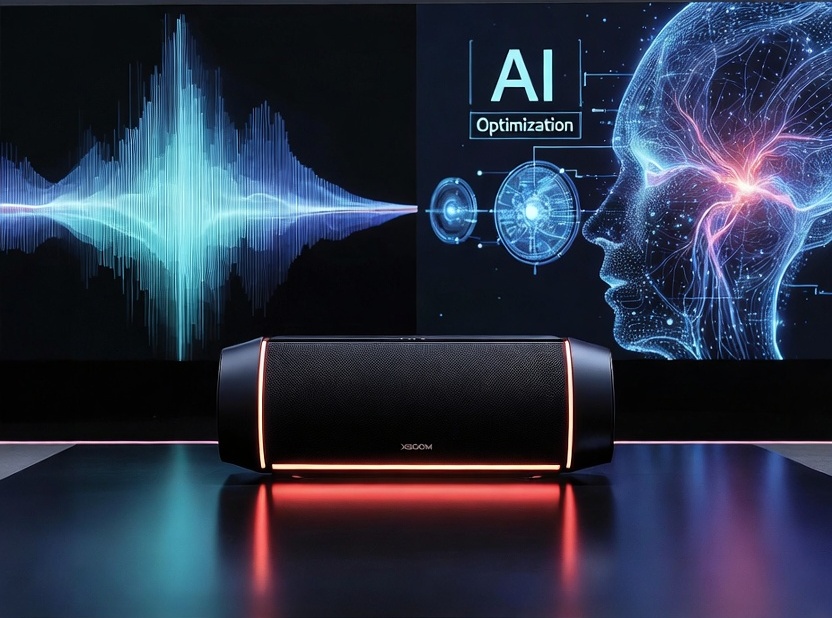
LG Electronics plans to introduce algorithmic-enhanced XBOOM audio products at the upcoming Consumer Electronics Show, signaling the technology’s expanding presence in consumer hardware. The announcement reflects broader industry trends integrating computational intelligence into everyday devices.
CES traditionally showcases emerging technology directions as manufacturers compete for attention with innovative features. This year’s focus on algorithmic capabilities across product categories suggests the technology has moved from experimental to mainstream consumer offerings.
XBOOM Product Features
The new XBOOM series incorporates algorithmic sound optimization adjusting audio output based on room acoustics, content type, and listening preferences. According to LG’s official announcement, the systems analyze environmental factors in real-time, modifying equalization, spatial processing, and volume levels automatically.
Voice control integration enables natural language commands for playback, sound adjustments, and smart home coordination. Users can request specific music, adjust bass levels, or coordinate audio across multiple rooms through conversational interaction rather than manual controls.
Personalization algorithms learn individual preferences over time. The systems track which genres, artists, and sound profiles users prefer, automatically applying appropriate settings when recognized listeners are present. This adaptive behavior aims to reduce manual adjustment while improving satisfaction.
CES Algorithmic Integration Trends
LG joins numerous manufacturers highlighting algorithmic features at CES 2026. Television displays with automated picture optimization, refrigerators suggesting recipes based on contents, and washing machines adjusting cycles based on fabric recognition all demonstrate the technology’s consumer electronics penetration.
The Consumer Technology Association, which organizes CES, reports algorithmic capabilities featured in over 60% of major product announcements this year. According to CTA research, this represents substantial increase from previous years when such features appeared primarily in premium products.
This mainstreaming reflects both technological maturation and consumer acceptance. What once seemed futuristic now appears standard in product specifications across price points and categories.
Market Positioning
LG positions the algorithmic XBOOM line as premium offerings justifying higher prices through enhanced convenience and performance. The company targets tech-enthusiast early adopters willing to pay premiums for latest capabilities while building brand association with innovation.
However, algorithmic features increasingly appear across product tiers as component costs decrease and consumer expectations evolve. Mid-range and budget products will likely incorporate similar capabilities within 12-18 months as the technology commoditizes.
Competitive pressure drives feature adoption. When leading brands offer algorithmic enhancements, competitors must match capabilities to maintain market position. This dynamic accelerates technology diffusion throughout consumer electronics categories.
Consumer Reception and Technical Considerations
While manufacturers emphasize algorithmic features, actual consumer demand remains unclear. Early adopter enthusiasm doesn’t always predict mass market acceptance. Voice assistants, for example, achieved significant penetration but usage patterns often disappointed expectations.
Privacy concerns might limit adoption. Audio systems that continuously listen and learn raise surveillance questions. Manufacturers must balance capability promotion against data handling reassurance.
Algorithmic audio processing requires substantial computational power. XBOOM products likely incorporate dedicated processors handling real-time analysis, increasing production costs and power consumption. Cloud connectivity enables enhanced capabilities but creates dependency on internet access and external services.
Update requirements introduce ongoing manufacturer obligations. Algorithmic systems need periodic improvements addressing bugs and maintaining compatibility, affecting company resources and product lifecycle planning.
Looking Forward
LG’s CES presentation will reveal specific XBOOM capabilities, pricing, and availability. The announcement provides insight into the company’s algorithmic strategy and consumer electronics direction more broadly.
Other manufacturers’ CES offerings will establish whether algorithmic integration represents industry consensus or competitive differentiation. Consumer response over subsequent months will determine whether algorithmic audio products achieve commercial success or remain niche offerings, guiding future industry investment decisions.