
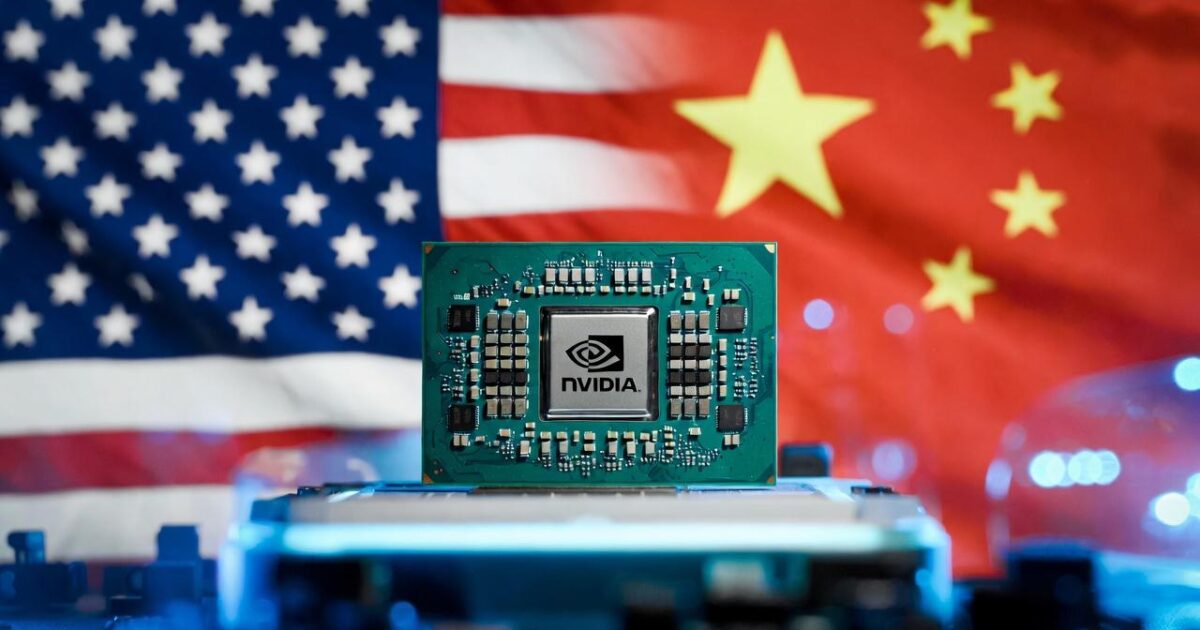
Nvidia is preparing to ship its second-most powerful AI chip, the H200, to China starting in mid-February, marking a significant development in US-China tech trade relations.
The move comes as the Trump administration implements policy changes regarding advanced chip exports to China. US lawmakers are pushing for greater transparency in the licensing review process, but the policy shift appears to be taking effect. The H200 represents Nvidia’s latest generation of data center GPUs, designed specifically for AI workloads and large language model training.
Policy Shift Enables Advanced Chip Exports
The planned shipments signal a departure from previous export restrictions that limited China’s access to cutting-edge AI hardware. While the H200 is not Nvidia’s most powerful chip (that distinction belongs to the H100 and newer architectures), it still represents substantial computing capability for AI development and deployment.
Congressional representatives have voiced concerns about the licensing process, calling for clearer guidelines on which technologies can be exported. The Commerce Department’s Bureau of Industry and Security typically oversees such export controls, though the current administration has indicated a willingness to relax certain restrictions.
Market Implications for AI Development
Chinese tech companies have been seeking alternatives to access advanced AI chips, including developing domestic solutions and purchasing through intermediaries. Direct access to H200 chips could accelerate AI development within China’s tech sector, affecting companies working on everything from cloud services to autonomous systems.
The February timeline suggests Nvidia has either received necessary export approvals or expects to obtain them shortly. This development could reshape the competitive dynamics in the global AI hardware market, where demand for advanced chips continues to outpace supply.
The situation remains fluid as both diplomatic relations and technological competition between the US and China continue to evolve.