

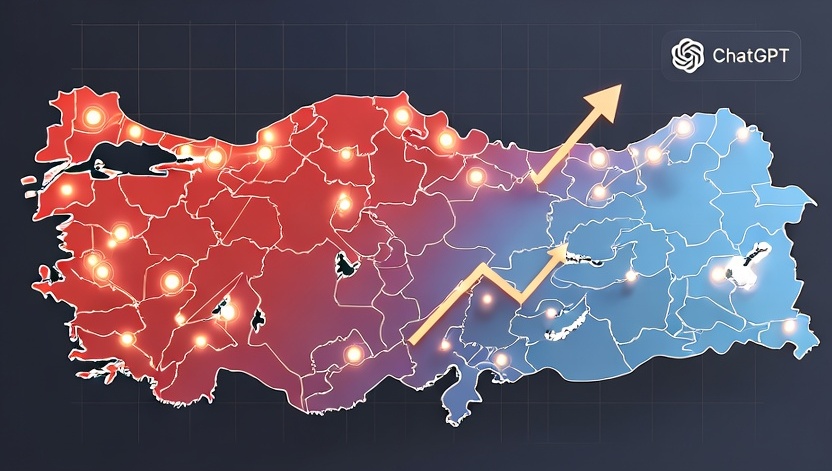
Turkey demonstrates algorithmic technology awareness and usage rates significantly exceeding global averages, with ChatGPT emerging as the most recognized platform among Turkish users. The adoption pattern positions Turkey among the world’s most engaged markets for conversational systems.
This elevated engagement reflects both demographic factors and cultural characteristics that facilitate rapid technology uptake. Turkey’s young population, high internet penetration, and active social media culture create favorable conditions for new digital tools to gain traction quickly.
Measurement and Comparison
Recent survey data reveals Turkish respondents report familiarity with algorithmic tools at rates 15-20 percentage points above global averages. Active usage metrics show similar patterns, with Turkish users integrating these technologies into daily workflows more extensively than counterparts in many developed markets.
According to research from Ipsos, Turkey ranks among the top ten countries globally for conversational system adoption. The data reflects both professional and personal use cases, spanning education, content creation, business tasks, and entertainment applications.
ChatGPT specifically achieves near-universal recognition among Turkish internet users. Over 80% of surveyed respondents could identify the platform by name, compared to global recognition rates around 60%. This awareness translates into substantial active user bases across demographic segments.
Demographic Drivers
Turkey’s population skews younger than many European nations, with median age around 32 years. Younger demographics typically adopt new technologies faster and more comprehensively than older cohorts. This demographic advantage accelerates overall market penetration for algorithmic tools.
Educational attainment plays another role. Turkey’s expanding university-educated population creates large user bases comfortable with technology and capable of identifying productive applications. Students and recent graduates particularly drive adoption through academic and early-career usage.
Urbanization concentrates technology-savvy populations in major cities like Istanbul, Ankara, and Izmir. These metropolitan areas function as adoption hubs where new tools spread through professional and social networks before reaching smaller cities and rural areas.
Application Patterns
Turkish users employ algorithmic tools across diverse contexts. Students leverage them for research assistance, essay drafting, and language learning. The tools prove particularly valuable for English language practice, helping users improve proficiency through conversational practice.
Professional applications span multiple sectors. Marketing professionals generate content ideas and draft copy. Developers use coding assistants for programming tasks. Business analysts employ tools for data interpretation and report creation. These workplace integrations drive sustained usage beyond initial experimentation.
Creative applications also flourish. Writers experiment with story generation and editing assistance. Artists explore text-to-image systems for concept development. Musicians investigate composition tools. This creative engagement reflects Turkey’s vibrant arts and culture sectors.
Educational Sector Impact
Turkish educational institutions grapple with algorithmic tool integration similarly to counterparts worldwide. Some educators embrace the technology as learning aids, incorporating them into pedagogy. Others express concerns about academic integrity and skill development.
Universities develop varying policies. Some prohibit tool use in assessments while permitting them for research and drafting. Others integrate them explicitly into curricula, teaching students responsible usage. This policy fragmentation creates inconsistent experiences across institutions.
Turkey’s Council of Higher Education examines appropriate governance frameworks. The regulatory body balances innovation encouragement against quality assurance and fairness concerns. Guidance development continues as institutions share experiences and best practices.
Business Adoption
Turkish companies increasingly incorporate algorithmic capabilities into operations. Small and medium enterprises particularly benefit from accessible tools that previously required expensive specialized software or consultant services. Democratization of advanced capabilities levels competitive playing fields.
Customer service applications see significant uptake. Businesses deploy chatbots handling routine inquiries, freeing human staff for complex issues. These implementations improve response times and reduce operational costs while maintaining service quality.
Marketing departments utilize content generation for social media, email campaigns, and website copy. The speed and versatility of modern tools enable smaller teams to maintain content volumes previously requiring larger staffs. This efficiency gain particularly benefits resource-constrained organizations.
Language Considerations
Turkish language support varies across platforms. ChatGPT and similar systems handle Turkish competently for many tasks, though performance sometimes lags English capabilities. Users frequently code-switch between Turkish and English depending on query complexity and desired output quality.
Localized alternatives emerge to address language-specific needs. Turkish companies develop tools optimized for the language’s grammatical structures and cultural context. These domestic offerings compete with international platforms by providing superior Turkish performance.
The language dimension affects adoption patterns. Turkish users comfortable with English access broader capabilities, while Turkish-only speakers experience more limitations. This dynamic creates potential digital divides based on language proficiency alongside other factors.
Regulatory Environment
Turkey’s regulatory approach to algorithmic systems remains relatively permissive compared to some jurisdictions. Authorities haven’t implemented comprehensive frameworks equivalent to European Union regulations. This lighter oversight facilitates rapid experimentation and deployment.
Data privacy laws established through Turkey’s Personal Data Protection Law (KVKK) affect how companies handle user information in algorithmic systems. Compliance requirements mirror some European standards while differing in implementation details and enforcement rigor.
Content regulations present additional considerations. Platforms operating in Turkey must comply with local laws regarding prohibited content categories. These requirements sometimes affect tool capabilities and available features compared to other markets.
Cultural Factors
Turkish culture’s emphasis on education and self-improvement drives tool adoption for learning purposes. Users enthusiastically embrace resources promising skill development, knowledge acquisition, or productivity enhancement. Algorithmic assistants fit well within this cultural context.
Social connectivity in Turkish culture facilitates rapid information spread. When individuals discover useful tools, they share discoveries through extensive friend, family, and professional networks. This word-of-mouth dynamic accelerates adoption beyond what advertising alone might achieve.
Entrepreneurial spirit in Turkey’s business culture encourages experimentation with productivity tools. Business owners and professionals actively seek competitive advantages through technology adoption. Early tool usage provides differentiation as markets mature.
Comparative Regional Context
Turkey’s adoption rates exceed those in many neighboring countries. Middle Eastern and Eastern European nations generally show lower awareness and usage despite similar demographic profiles. Turkey’s positioning as a technology-forward market within its region reflects specific national characteristics.
European Union member states display mixed patterns. Northern European countries often show high awareness but conservative adoption, while Southern European patterns more closely resemble Turkey’s enthusiastic uptake. Turkey occupies an interesting middle ground between European and Middle Eastern technology cultures.
The comparison with Gulf Arab states proves particularly interesting. Despite high technology infrastructure investment, some Gulf nations show lower algorithmic tool adoption than Turkey. Cultural and linguistic factors contribute alongside regulatory differences and market structures.
Economic Implications
Widespread adoption creates economic opportunities in training, consulting, and tool development. Turkish professionals establish businesses around algorithmic system expertise, offering services to individuals and organizations seeking to leverage capabilities effectively.
Productivity gains from tool usage potentially impact national economic performance. If Turkish businesses achieve efficiency advantages through earlier or more comprehensive adoption, competitive benefits might flow at macro level. Quantifying these effects remains challenging but merits monitoring.
Employment implications generate ongoing discussion. Some roles face displacement as algorithmic tools automate tasks. Simultaneously, new positions emerge around tool development, deployment, and management. The net employment effect depends on adoption pace, skill development, and economic adaptation.
Future Trajectory
Turkey’s high current adoption likely continues as tools improve and use cases expand. The demographic and cultural factors driving initial uptake remain relevant for sustained growth. Market maturation will bring consolidation around most effective platforms and applications.
Regulatory developments may reshape the environment. If Turkey implements comprehensive frameworks similar to EU approaches, compliance costs could slow adoption pace while potentially improving user protections and system quality. Balancing innovation and governance presents ongoing challenges.
Educational system integration will significantly influence long-term patterns. How schools and universities incorporate or restrict tools affects entire generations’ technological fluency and usage habits. These institutional decisions carry consequences extending decades into the future.
International Implications
Turkey’s experience provides valuable data for understanding algorithmic tool adoption dynamics. The factors driving Turkish success or challenges inform strategies in other emerging markets. International observers study Turkish patterns to predict trajectories elsewhere.
Turkish users’ feedback influences global product development. High engagement from Turkish markets makes their preferences and pain points visible to platform developers. Features requested by Turkish users might benefit global user bases as companies respond to significant market segments.
The bridging position Turkey occupies between Europe and Asia creates unique perspectives on technology governance and adoption. Lessons from Turkish experience might inform approaches in other countries navigating similar cultural and regulatory contexts.